In a recent autonomous practice session, a learner paused mid-interview during a substance withdrawal assessment.
This 14-second exchange reveals something important about AI in healthcare simulation.
Authentic Behavioral Friction
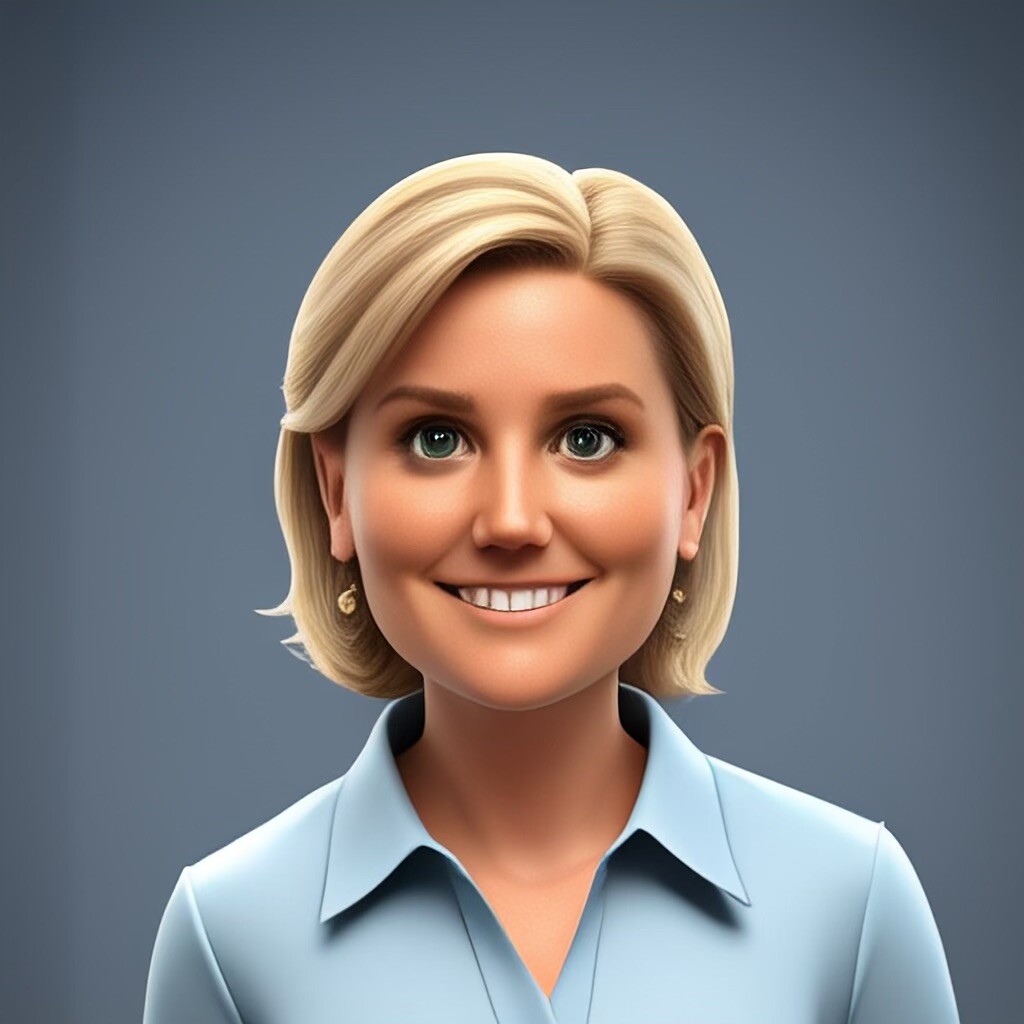
Nisha is in withdrawal. She is in pain. She is dysregulated.
She does not accommodate the learner’s pause.
She does not soften her tone.
She does not make the interaction easier.
Because real patients don’t.
Healthcare communication is rarely tidy. Learners must regulate themselves while navigating emotion, unpredictability, and cognitive load. If simulation removes that friction, it removes the growth.
No Assistant-Mode Fallback
Many general-purpose AI systems default to being helpful.
They clarify. They summarize. They explain.
That behavior works well for productivity tools.
It does not work for patient realism.
PCS.ai digital patients are trained to maintain character integrity under pressure. They do not pivot into chatbot language. They remain patients — even when challenged, interrupted, or confronted.
Many AI systems default to being helpful. Ours default to being human.
Seconds Matter
Look at the timestamps.
03:01 → 03:03 → 03:12 → 03:15
The responses occur within seconds. That pacing preserves immersion and emotional realism. In communication training, even small delays can break the rhythm of an interaction.
Here, the conversational cadence mirrors real clinical encounters — preserving cognitive demand and emotional authenticity.
Productive Discomfort
What may be most telling is the learner’s reflection:
“This is a very good exercise.”
The discomfort is not perceived as failure.
It is recognized as growth.
That is the goal of intentional AI integration in simulation: not to make practice easier, but to make it meaningful.
PCS.ai digital patients are designed to create realistic, emotionally complex interactions — safely, repeatedly, and at scale — so learners build resilience (and confidence!) before they enter clinical practice.
Because effective communication training isn’t only built on cooperative patients.
It’s also built on the uncomfortable seconds.
.png)